Ask two jewellers which gemstone is hardest and you will get the same answer. Ask which gem is best for a ring you never take off, and the conversation gets more interesting. The Mohs hardness scale answers one narrow question very well — how well a stone resists being scratched — and stays quiet on almost everything else. Knowing where its authority ends is what makes it useful.
What the Mohs Scale Actually Measures
In 1812, the German mineralogist Friedrich Mohs arranged ten minerals in order of how easily one scratches another. Talc sits at 1, diamond at 10, and each mineral in between can scratch the ones below it. That is the whole system. It is a ranking of scratch resistance, not a measure of quality, rarity or value.
The numbers are ordinal, so the gaps between them are not equal. The jump from 9 (corundum, the family that includes ruby and sapphire) to 10 (diamond) is enormous. The step from 1 to 2 is trivial. A stone rated 9 is not "ten per cent softer" than diamond; it is in a different league. That also means half a point can matter a great deal in daily wear, because scratching depends on which two materials meet.
The reference minerals, with gem examples for context:
- Talc — 1. Soft enough to scratch with a fingernail.
- Gypsum — 2. Amber sits around here.
- Calcite — 3. Pearls and coral are nearby.
- Fluorite — 4. Beautiful, and hopeless in a ring.
- Apatite — 5. A collector's stone, not an everyday one.
- Orthoclase feldspar — 6. Moonstone and labradorite.
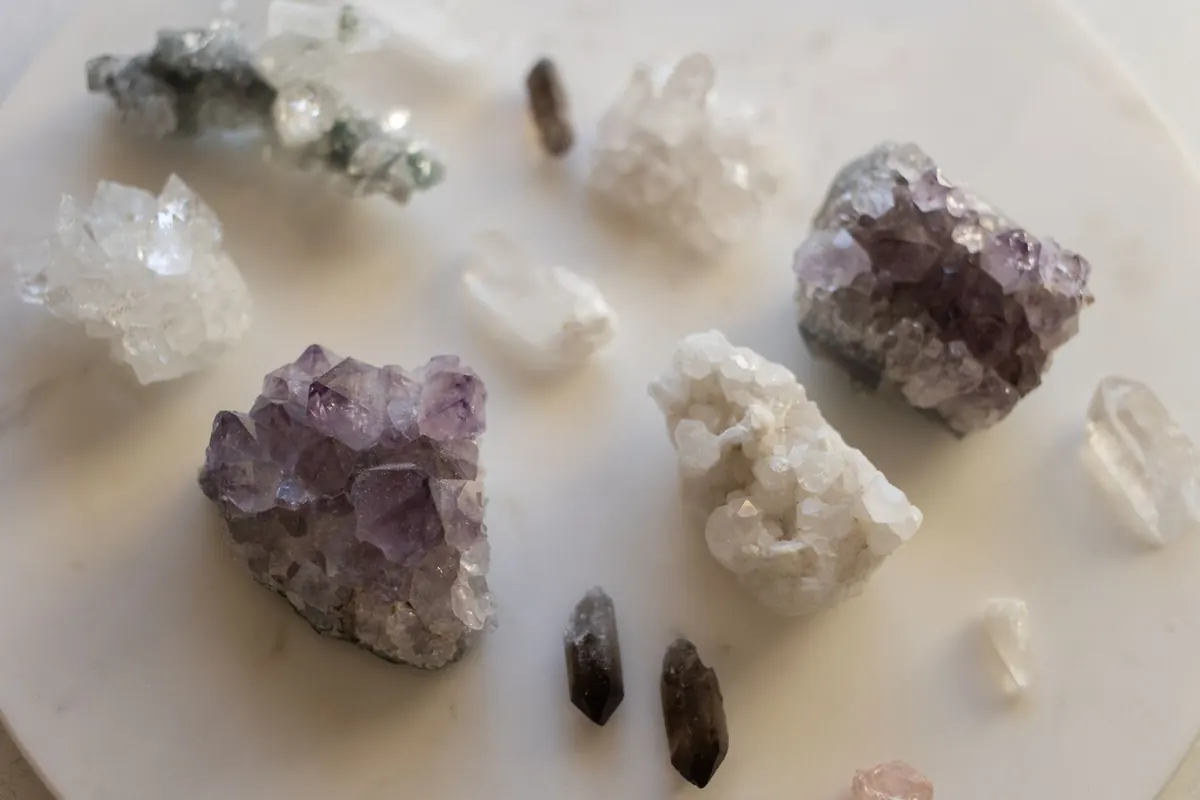
- Quartz — 7. Amethyst, citrine, smoky quartz.
- Topaz — 8. Also spinel and most beryl.
- Corundum — 9. Ruby and sapphire.
- Diamond — 10. Nothing natural scratches it except another diamond.
Handy landmarks: a fingernail is about 2.5, a copper coin roughly 3.5, a steel knife blade about 5.5, window glass much the same. Household dust often contains quartz particles, which is why 7 is such a meaningful threshold for jewellery.
Hardness Is Not Toughness
Hardness describes resistance to scratching. Toughness describes resistance to breaking — chipping, cracking, splitting along internal planes. The two are related, but they are not the same thing, and confusing them is how people end up with a chipped emerald and a bewildered expression.
Jade is the classic case. Jadeite sits around 6.5 to 7 and nephrite lower still, yet both are exceptionally tough because of their interlocking fibrous structure; a jade bangle survives knocks that would ruin harder stones. At the other end, emerald (7.5 to 8) is brittle and often internally fractured, so a sharp knock can chip it even though it resists scratching well. Topaz has perfect cleavage in one direction and can split if struck at the wrong angle. Opal is softer and holds water, making it sensitive to heat and rapid drying.
When someone calls a gem "hard", it is worth asking what they mean. Scratch resistance and break resistance lead to different buying decisions.
Where Common Gems Sit
A rough hierarchy for practical purposes:
- Ring-friendly for daily wear: diamond (10), ruby and sapphire (9), chrysoberyl (8.5), spinel (8). These handle years of knocks and cleaning.
- Fine for rings with care: topaz (8), aquamarine, morganite and emerald (7.5 to 8), tourmaline (7 to 7.5), amethyst, citrine and smoky quartz (7). They resist most scratching but are more vulnerable to chipping over decades.
- Better for pendants and earrings: opal (5.5 to 6.5), moonstone (6 to 6.5), apatite (5), lapis lazuli and turquoise (5 to 6).
- Avoid in rings altogether: fluorite (4), malachite (3.5 to 4), pearl (2.5 to 4.5), amber (2 to 2.5), coral (3 to 4).
A pendant rests against fabric and rarely meets a doorframe, a car door or a granite worktop. That is why a soft, gorgeous opal is a sensible pendant and a worrying ring.
Why Rings Are the Hardest Job
A ring lives on your hand, which is the part of you that reaches for things. It brushes against keys, taps against counters, grips shopping bags and gets pushed through sleeves. Then there is grit: quartz dust from soil, sand and ordinary household dirt is harder than most gems, and it collects between a stone and its setting where it slowly grinds away.
This is why the 7 line matters. Anything rated below 7 will pick up fine scratches from everyday grit. An amethyst ring is not doomed, but after a few years of constant wear its facets can look slightly duller in strong light. A sapphire at 9 shrugs it off.
Settings matter as much as the stone. A bezel or a low, well-protected setting shields a softer gem from knocks; a high claw setting with an exposed girdle does the opposite. If you want to wear a 7-rated stone daily, choose a protective setting and take the ring off for gardening, cleaning and the gym.
Practical Rules Worth Following
- Do not scratch-test a gem. A hardness pen can leave a permanent mark on a finished stone and tells you less than a trained eye.
- Store stones separately. A diamond in the same pouch as an amethyst will carve it up. Use individual soft pouches or a compartmented tray.
- Check prongs once a year. A loose stone chips more easily than a secure one, whatever its rating.
- Be cautious with ultrasonic and steam cleaners. They are generally fine for diamond, ruby and sapphire, but many jewellers avoid them for emerald, opal, turquoise, pearl and any fracture-filled or treated stone.
- Take jewellery off first. Cleaning products, bleach, hot water, swimming pools and impact sports are harder on a stone than desk work.
- Ask before you buy. If you have your heart set on a soft gem for a ring you will wear constantly, discuss it with a jeweller or gemmologist rather than relying on a number.
Choosing With the Scale in Mind
Treat Mohs as one filter, not a verdict. Decide how often you will wear the piece, then match the stone. For an engagement ring or anything worn daily, aim for 8 and above, and accept that softer favourites belong elsewhere. For pendants, brooches and earrings the scale loosens up considerably, and you can enjoy opal, moonstone or apatite with little worry. For a piece that lives in a box and comes out for occasions, hardness barely matters at all.
Buy the stone you love, then buy the setting and the habits that let it survive. That combination does more for a gemstone's life than a single number ever will.
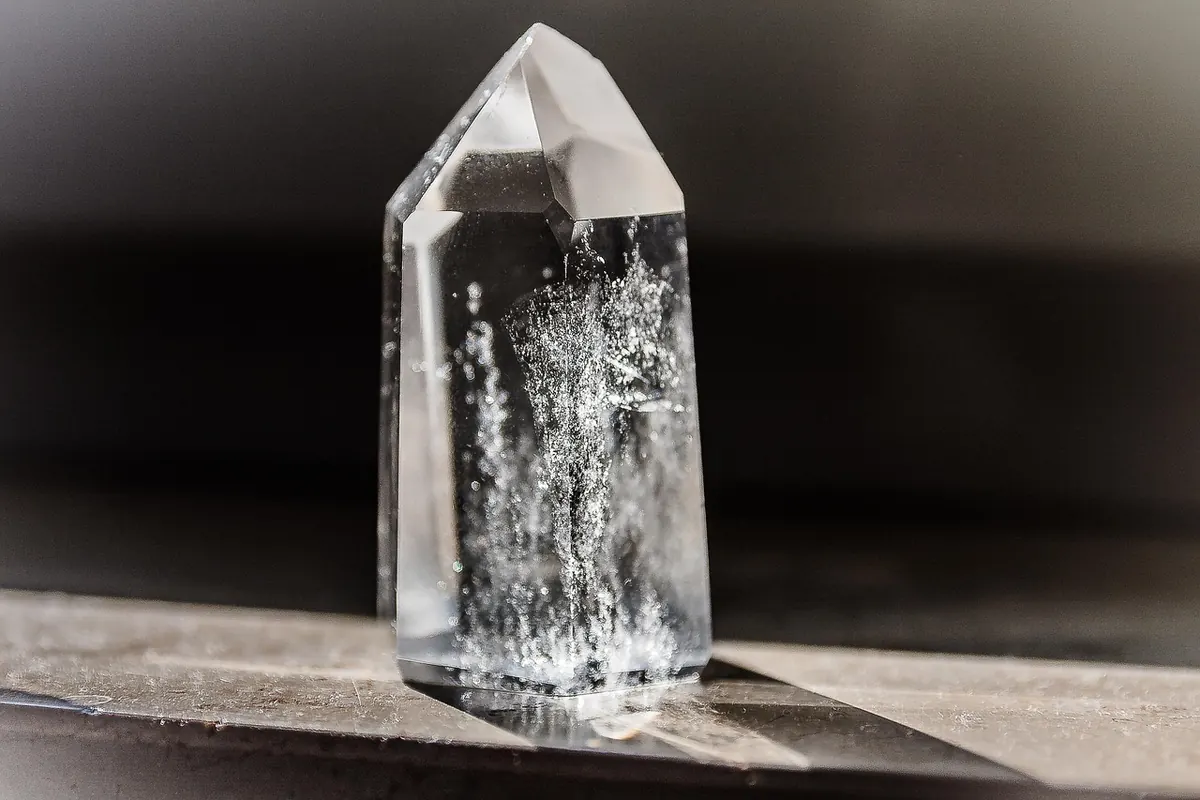
Photo: wingsofcompassion / Pixabay