A first mineral collection rarely starts in a shop. More often it begins with a lump of something odd picked up on a beach, a friend's cast-off amethyst, or a small buy at a village-hall show. Minerals are one of the few collecting hobbies where you can build something genuinely interesting on very little money — provided you are disciplined about three things: what you collect, where you buy, and how you record it.
Start With a Theme, Not a Shopping List
There is far more mineral material in circulation than any one person can collect, and a general "one of everything" collection soon becomes shapeless, expensive and hard to store. A theme fixes that.
Beginner-friendly themes include:
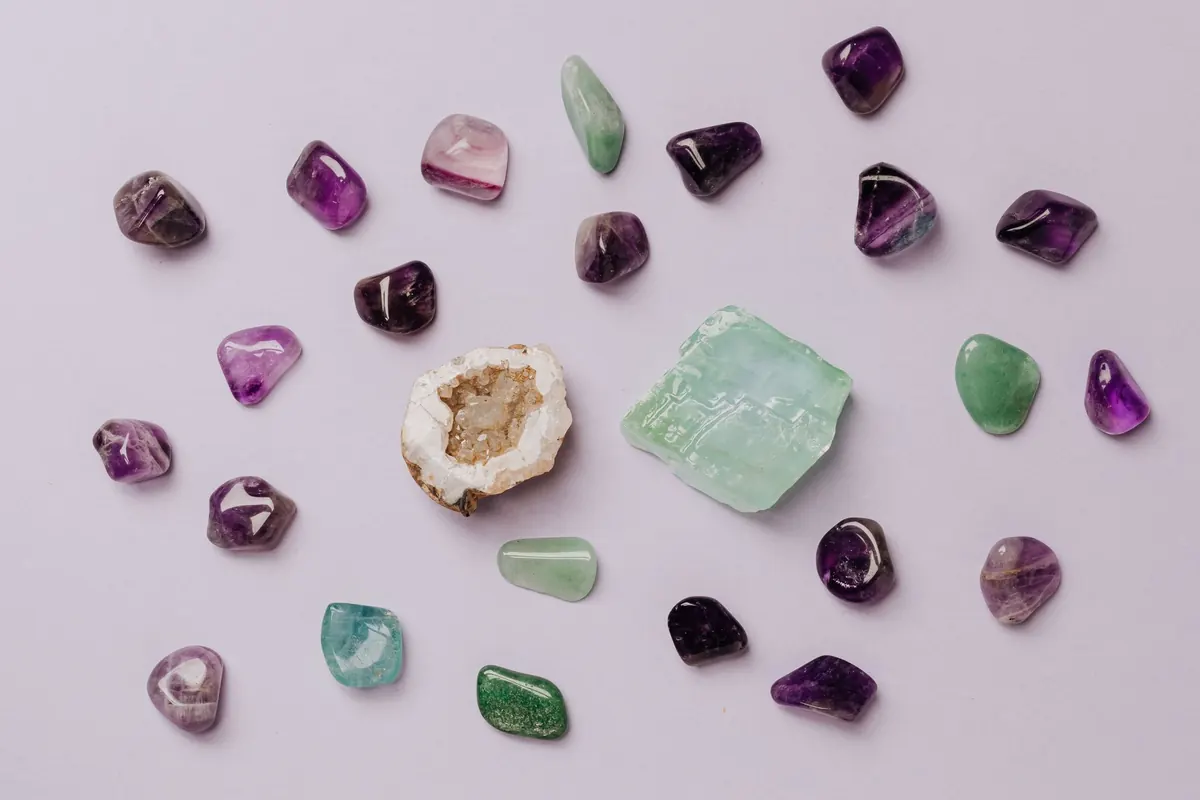
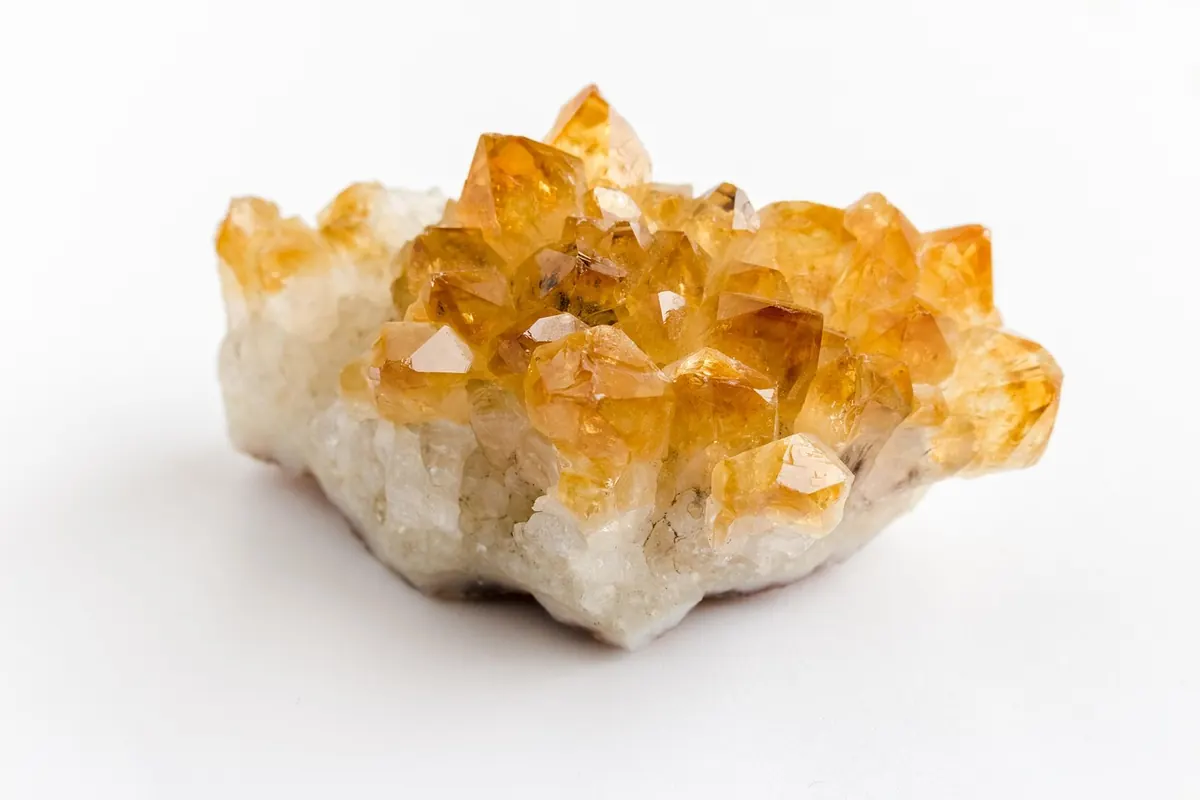
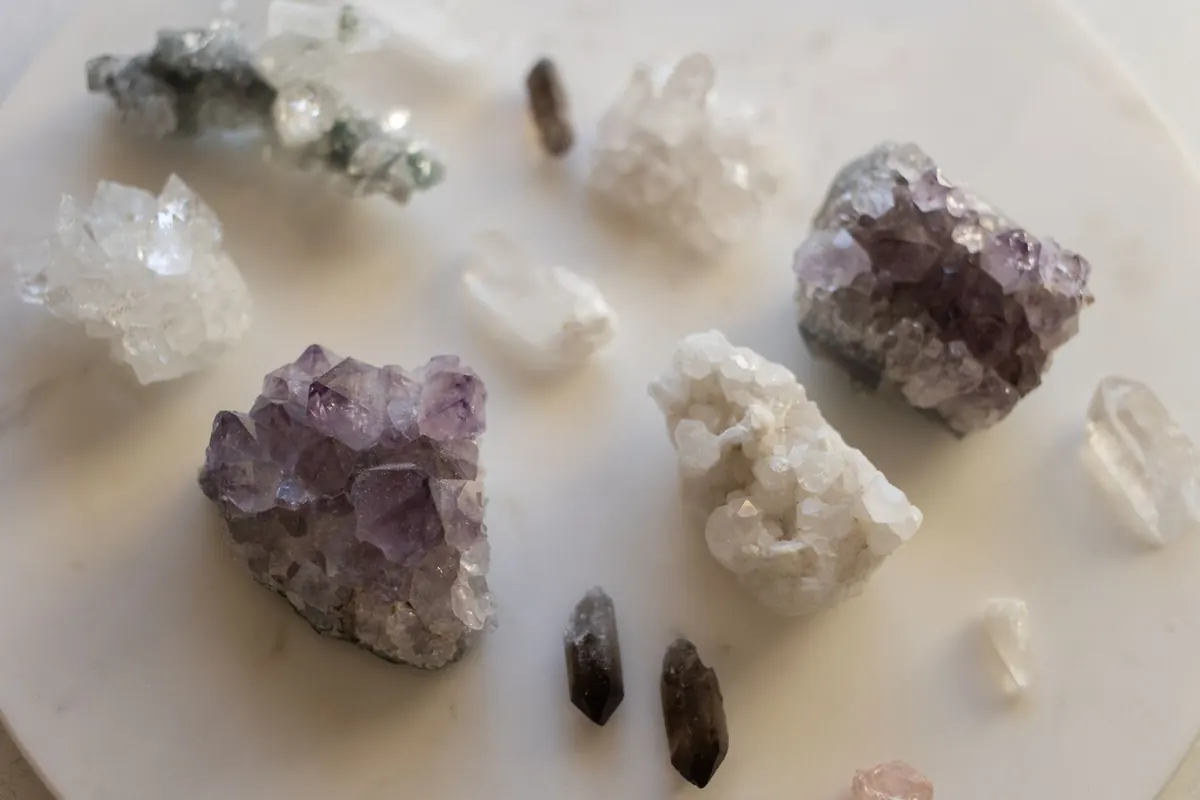
- A single species group. Quartz alone — rock crystal, amethyst, citrine, smoky quartz — will keep you busy for years, and common material is cheap.
- A locality. Fluorite from Weardale and the Derbyshire lead veins, or the minerals of Cornwall, gives you a story and a target list you can actually finish.
- A structural or chemical class. Zeolites, carbonates, or specimens showing one particular crystal habit.
- Micromounts. Pieces a centimetre or two across, examined with a hand lens. Often superb crystals at pocket-money prices.
With a theme in place, decisions get easy. You can walk past a handsome but off-theme piece and put the money towards something that fills a gap.
Where to Find Affordable Specimens
Dealers are not the only route, and they are rarely the cheapest.
- Local geological and mineral societies. Meetings, annual shows and members' swaps are where duplicate specimens change hands for modest sums.
- Society auctions and club tables. Collectors thinning out a lifetime's accumulation often sell good, well-labelled material cheaply.
- Rock and gem shows. Go on the last afternoon. Dealers dislike packing stock away, and small pieces move quickly.
- Museum and gallery shops. Limited stock, but almost always correctly identified and labelled.
- Online marketplaces. Search by locality rather than by "rare". Read dimensions carefully, ask for extra photographs, and be sceptical of unusually vivid colour — dyed agate, glass "crystals" and treated material are common. A seller who cannot name a locality is a seller to avoid.
- Charity shops, car boot sales and house clearances. Boxes of "rocks" occasionally contain a labelled specimen, sometimes with an old collector's number still attached.
A specimen with no locality has lost most of its interest, so treat missing data as a discount, not a bargain.
Sensible First Purchases
Spend your first budget on small, common, well-crystallised species: quartz, calcite, fluorite, pyrite, galena, baryte, gypsum, aragonite, sphalerite. These are abundant, so good examples stay affordable.
Thumbnail-sized specimens, roughly three centimetres across, are the sensible default. They cost less, take up almost no space, and often carry better crystals than a large, clumsy plate. Resist the urge to buy one big showpiece early; you do not yet know what you like.
Leave anything you cannot identify or place, anything with a suspiciously perfect shape, and anything sold as an investment. Set a monthly limit and stick to it. If you find yourself considering a genuinely expensive piece, ask a society member or a specialist dealer for a second opinion before you commit.
Label Everything the Day It Arrives
Number, name, locality, date, source. Record them the moment the specimen arrives, because locality data is the one thing that cannot be replaced later.
Use a soft pencil or archival ink on acid-free card, and keep the label in the box with the specimen rather than in a separate drawer. Add a second copy in a notebook or spreadsheet. Useful columns are: catalogue number, species or variety, full locality, size, acquired from, date, and notes on condition.
A small painted number on the underside of a sturdy specimen is standard museum practice, but never glue a label onto a fragile crystal. Photograph each piece once, file the images by catalogue number, and the collection becomes searchable rather than a mystery.
Store It So It Survives
Dust, light, damp and fingers do most of the damage. Acid-free card trays or small clear boxes lined with foam protect edges and keep labels visible. Line drawers shallowly, and avoid stacking heavy pieces on top of delicate ones.
Watching for decay
Two storage problems are worth knowing about. Many coloured minerals fade in direct sunlight, so keep a cabinet away from a south-facing window. Sulphide specimens such as pyrite can decay in humid air, developing a grey or white powder and eventually crumbling; keep them dry, check them occasionally, and isolate any piece that starts to break down.
Some minerals are water-soluble, and many are damaged by washing or household cleaners, so do not clean a specimen until you know what it is and what is safe for it. Handle as little as possible, wash your hands beforehand, and wash them again afterwards — particularly after handling copper minerals such as malachite.
Collecting in the Field
Field collecting is the cheapest source of good material and the most rewarding, but it comes with rules.
Always get the landowner's permission before you pick anything up. Check whether the site is a nature reserve or a Site of Special Scientific Interest, where collecting may be restricted or prohibited, and read any local byelaws. Old mine workings are dangerous and should never be entered. Hammer on loose scree rather than in situ rock, wear eye protection and gloves, and never work alone in a quarry.
Carry a notebook, a marker pen and small zip bags. Record the grid reference or a clear description of where each piece came from straight away; a specimen you cannot place afterwards is worth far less than the effort of finding it. Beaches and stream beds after winter storms often turn up fresh material, and quarry spoil or builders' gravel piles are always worth asking about.
Build Slowly, Keep the Records
A good collection is
Photo: KATRIN BOLOVTSOVA / Pexels