Two black stones, one familiar problem. A seller offers you a glossy black bead or a polished cabochon and calls it onyx; another hands you something near-identical and calls it obsidian. Both look deep and expensive in the hand, and both turn up in rings, bracelets, worry stones and chess sets. They are not the same material, though, and the difference matters the moment you start wearing the piece or paying a premium for it. One is a form of quartz. The other is cooled lava. Telling them apart takes a few minutes, a small torch and a little patience.
What onyx actually is
Onyx is a variety of chalcedony, itself a form of quartz built from microscopic crystals rather than one large crystal. Its defining feature is banding: layers of colour running in parallel, laid down as silica-rich water deposited material in cavities inside rock. Classic onyx is black with white bands, while sardonyx shows red, brown or orange layers. The stone has a waxy to glassy lustre and is opaque to slightly translucent along thin edges.
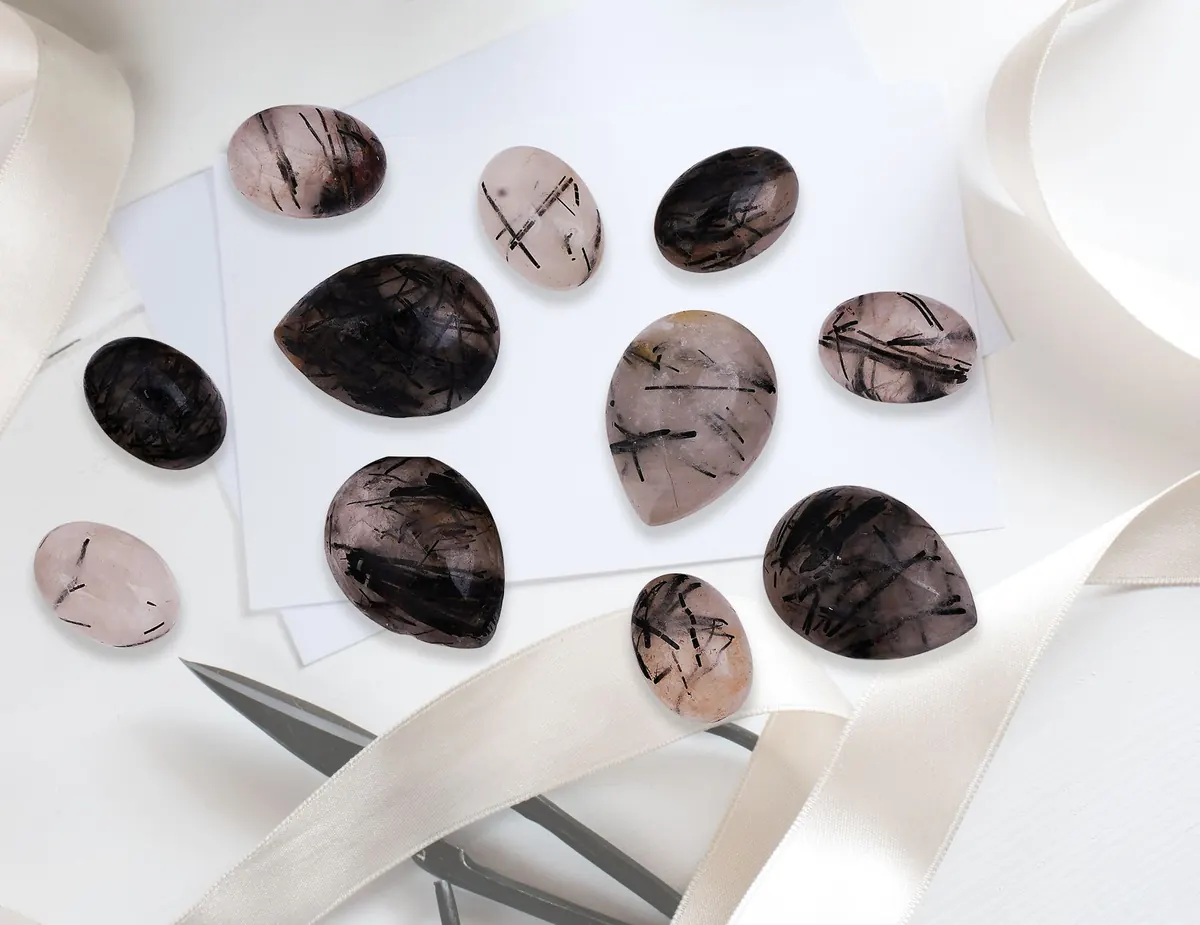
Most black onyx on the market was not black when it left the ground. Natural black banding is uncommon and commands a higher price, so much of what is sold as black onyx is chalcedony or banded agate that has been dyed — a practice common in the gem trade for well over a century. The dye is usually stable in normal wear, but it can show in chips, along drill holes or where a stone has been scratched. Under a bright light, good natural onyx often reveals faint banding. Dyed material tends to look uniformly black from every angle.
What obsidian actually is
Obsidian is volcanic glass. When lava cools so quickly that its atoms cannot organise into crystals, the result is a natural glass — technically a rock rather than a mineral, because it has no fixed crystal structure. That amorphous structure explains almost everything about how obsidian behaves. It fractures in smooth, curved shells, which is why it produces edges sharper than a scalpel and why it was shaped into blades and arrowheads for thousands of years.
It is usually black, but iron and other inclusions create recognisable varieties: snowflake obsidian with grey cristobalite patches, mahogany obsidian with reddish-brown streaks, and rainbow or sheen obsidian, where thin layers and trapped gas bubbles throw back flashes of colour. Obsidian is typically sold untreated, which appeals to buyers who prefer a stone that has not been dyed or otherwise altered. It also holds a small amount of water, and over geological time it slowly devitrifies — some very old volcanic glass has lost its glassy character altogether.
Telling them apart: a practical checklist
At a market stall or a gem fair, you will rarely have lab equipment to hand. These checks will get you most of the way there.
- Look for bands. Turn the stone under a torch. Parallel layers in different shades point to onyx or agate. A uniform black with no layering is more likely obsidian, or dyed onyx.
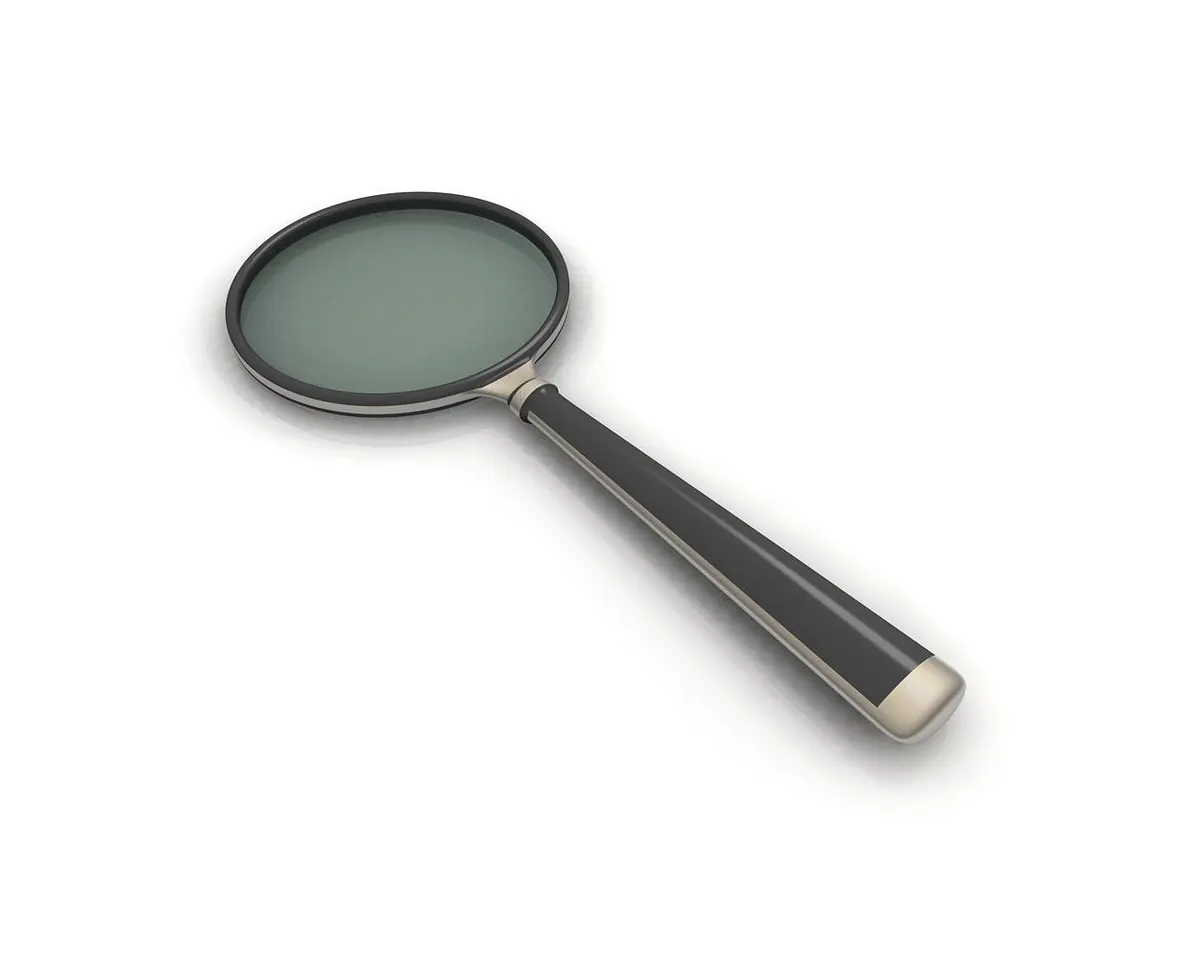
- Inspect the surface with a loupe. Tiny round gas bubbles are a strong obsidian clue. Dyed onyx may show colour concentrated in cracks and drill holes.
- Study the fracture. Obsidian breaks in smooth curved shells, leaving glassy, faintly rippled surfaces. Onyx breaks with a more even, granular look and less glassy edges.
- Compare the sheen. Obsidian is glassy and highly reflective. Onyx usually looks softer and waxier.
- Weigh it in the hand. Obsidian is generally a little lighter than a similar-sized piece of quartz-family material, though the difference is subtle on small stones.
- Ask about treatment. A dealer who knows the stock will say whether the black onyx has been dyed. A shrug is your answer: price it as dyed material.
Where the answer really matters — a high-value purchase, or a stone you plan to set — a jeweller or gemmologist can confirm the identification with hardness, refractive index and specific gravity tests in a few minutes.
Hardness, wear and everyday use
On the Mohs scale, quartz-family materials sit at around 6.5 to 7, while obsidian sits at roughly 5 to 5.5. That gap looks small on paper and feels significant in a jewellery box. Everyday household grit contains quartz, so a polished obsidian ring or bangle will pick up fine scratches far sooner than onyx. Obsidian also chips: its glassy structure means a knock against a hard edge can lift out a small shell-shaped flake, and the edge left behind is genuinely sharp.
If a black stone scratches easily in daily wear, it is behaving like glass — which is exactly what obsidian is.
If you are buying a ring, a bracelet you intend to wear constantly, or anything likely to meet doorframes and car doors, onyx is the tougher choice. Obsidian suits pendants, earrings, cabochons, display pieces and objects handled with care. Sudden temperature changes are another consideration: obsidian can crack from thermal shock, so keep it away from hot water, dishwashers and sunny windowsills.
Treatments, sourcing and what you are actually buying
The two stones reach the market by very different routes, and that shapes the questions worth asking. Obsidian follows volcanic belts — Mexico, Iceland, Italy, Turkey, Japan and the western United States are well-known sources — and is almost never treated. Onyx and agate come from a wider spread of settings, with major cutting and dyeing centres in Brazil, India and Madagascar. Ask where the stone was cut as well as where it was found: dyeing and finishing usually happen near the cutting workshops, not the mine.
It also pays to know what can be passed off as either stone. Some "black onyx" is dyed agate, dyed quartzite or simply black glass, and glass imitations of obsidian are common because the real thing is cheap to produce. A gemmologist's report is worthwhile for any piece where the material affects the price you are paying.
Choosing the right black stone
Decide based on how the piece will live, not only how it looks on the day you buy it. If it will be worn often, set in a ring or knocked against hard surfaces, choose onyx — and accept that black onyx is very likely dyed. If you want an untreated, characterful stone for a pendant, a collection or a piece you handle gently, obsidian offers patterns you will not find in onyx: snowflake, rainbow, mahogany and sheen. For both, store separately from harder stones, clean with lukewarm water and a soft cloth rather than an ultrasonic cleaner, and keep household chemicals away. If a seller cannot tell you which stone you are looking at, treat that as useful information in itself.
Photo: hatice genç / Pexels